Physical retail in Europe is in a stronger position than many headlines suggest. New research …



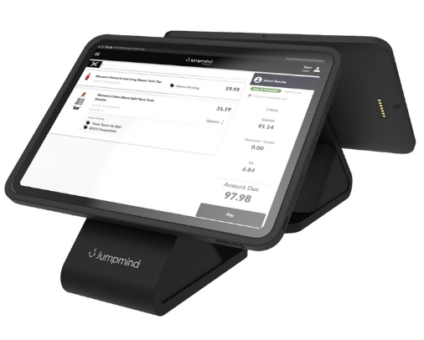
Cloud-native POS platform for seamless omnichannel customer experience.

A single hub for all promotions campaigns.

The most advanced synchronization solution for databases and file systems.

Data configuration and batch automation across different disparate systems and vendors.
Physical retail in Europe is in a stronger position than many headlines suggest. New research …

I just got back from Shoptalk in Las Vegas, and this year’s show hit differently …

When I joined Jumpmind, one of the first things that struck me was how consistently …

If you run SymmetricDS in production, you know the drill: dozens of nodes, constant data …

Overview Organizations today face the challenge of consolidating data from on-premise and cloud-based systems into …

Single Sign-On with OAuth 2.0/OpenID Connect One of the many new features included in version …
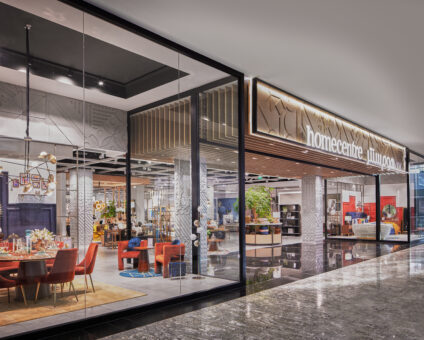
Jumpmind Powers Point of Sale and Promotions Execution for Landmark Retail, One of the Largest …
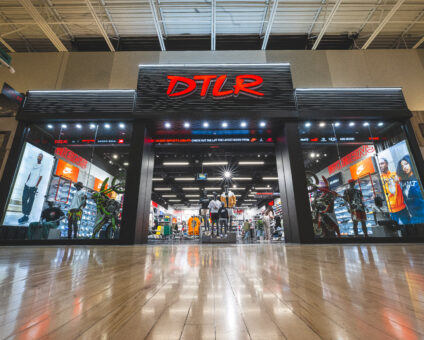
Retail Technology Leader Jumpmind to Enable Mobile Point of Sale and Inventory Management for DTLR/VILLA …
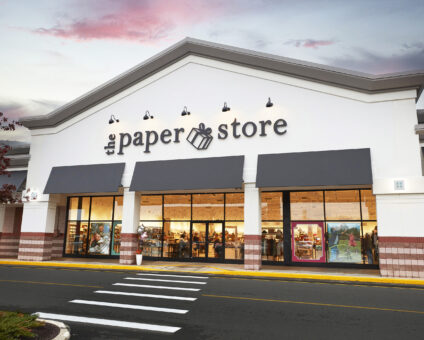
The retailer is charting its next chapter with retail technology modernization to power inspired omnichannel …
Physical retail in Europe is in a stronger position than many headlines suggest. New research …
If you run SymmetricDS in production, you know the drill: dozens of nodes, constant data …

LONDON, March 17, 2026 — Jumpmind, a leading provider of innovative retail technology solutions, today …
Cloud-native POS platform for seamless omnichannel customer experience.
A single hub for all promotions campaigns.
The most advanced synchronization solution for databases and file systems.
Data configuration and batch automation across different disparate systems and vendors.

Physical retail in Europe is in a stronger position than many headlines suggest. New research we commissioned with Insider Trends and Fern Insights, based on a survey of 1,005 consumers across the UK, France, Germany, and the Netherlands in November 2025, paints a clear and encouraging picture: European shoppers are choosing the store deliberately, visiting often, and spending there. But the research also reveals something more nuanced about how those visits are changing, what shoppers expect, and where the biggest opportunities lie for retailers who want to stay ahead.
Having spent more than two decades working across the European retail technology landscape, from planning and merchandising through to eCommerce, CRM, and store operations, I have had the privilege of working closely with retailers navigating the full complexity of this market. Every country has its own regulatory environment, its own shopper behaviours, and its own pace of technology adoption. What this research reinforces for me is that European retailers are well placed to capitalise on a real and growing opportunity, provided the right foundations are in place. Here is what the data tells us.
Start with what the data actually shows. 81% of European consumers visited a (non-grocery) store in the month prior to our survey. Nearly two in five shop in store at least once a week. 58% of purchases are still made in physical retail. And among shoppers aged 18 to 34, 16% visit a store every single day. These are not the numbers of a channel under threat.
What has changed is why shoppers visit. Less than a third say they shop in store because they enjoy it. The motivations are far more pragmatic: 48% say they want to see and feel a product before they commit to buying it, 39% want to know exactly what they are getting, and 24% value being able to accomplish multiple things in one trip. European shoppers are not coming to the store for theatre or spectacle. They are coming because the store solves a specific problem that online cannot. That is actually a very strong foundation to build on.
The implication for retailers is straightforward. Investment should be directed at the things that make the store genuinely useful: real-time stock availability, clear layouts, fast and flexible checkout, and well-informed associates. The research confirms this too, with 41% of shoppers citing good stock availability as the single most important contributor to a positive store experience, followed by a clean environment (38%) and feeling welcome (31%). Getting these fundamentals right is not a low ambition. It is where experience is won.
Of all the findings in this research, one stands out above the rest: store associates are the single most cited reason for both exceptional and poor in-store experiences, across every one of the four markets we surveyed. That is a remarkable finding, and it cuts both ways.
The qualitative responses in the research paint a vivid picture of what exceptional looks like. An associate in the UK who recommended two books based on a customer’s reading history, and was right on both counts. A German associate who tracked down a product across multiple branches. A French salesperson who gave their full time and attention until the right product was found. These are not complicated interactions. They require presence, knowledge, and the freedom to focus entirely on the customer rather than on managing system limitations.
Nearly 30% of European shoppers feel that in-store service has declined over the past two years. Most rate it as simply average. But the research makes clear that when associates are empowered with the right tools, whether that means access to live stock information, the ability to complete a transaction anywhere on the floor, or a 360-degree view of a returning customer, the experience shifts from average to genuinely memorable. That is the opportunity. Empowering associates is not primarily a training conversation. It is a technology infrastructure conversation. When the platform is right, great people can do what they do best.
83% of European shoppers do at least one online activity before walking into a store. 53% use their smartphone while they are in the store, accessing loyalty schemes (32%), hunting for discounts (30%), comparing prices (22%), and checking stock. As Jack Stratten of Insider Trends put it when we launched this research: consumers enter the store already omnichannel by default. And omnichannel shoppers spend multiples more than single-channel shoppers.
The commercial opportunity here is significant and relatively straightforward to capture. A shopper standing in a store who is searching for a discount on their phone is telling you exactly what they need. A retailer whose system can surface that offer at the point of sale, recognise the customer, and reward their loyalty in real time is directly influencing the size of that basket. A retailer whose system cannot is watching a competitor’s app do it instead.
Checkout flexibility is part of this picture too. 47% of European shoppers say they would like the option to use a self-checkout, and 50% agree that self-checkout is faster. The keyword is option. The majority of consumers want the freedom to choose between a staffed checkout for a complex interaction and a faster self-service route for a quick transaction. A platform that supports both, on any device, on any hardware, gives retailers the flexibility to serve that range of needs without being locked into a single model.
One thing that often gets missed in broader discussions about retail modernisation is how specific the European regulatory environment is. It is something I encounter consistently in conversations with retailers across the region. Retailers operating across multiple European markets are navigating a compliance landscape that is genuinely complex, market by market, and that is moving quickly.
In France, the 2025 Finance Law requires all POS systems to hold certification from an accredited external body under the NF525 standard by September 2026, replacing previous self-certification arrangements. Retailers operating non-compliant systems face fines of up to 7,500 euros per device. In Germany, Technical Security Equipment requirements for cryptographic transaction logging are already in force, POS systems must be registered via the ELSTER portal, and the country is in active preparation for mandatory B2B e-invoicing ahead of its 2027 deadline. Across all four markets in our research, PCI DSS v4.0 has been fully enforced since March 2025, with substantially expanded requirements around authentication, encryption, and payment security.
This is not intended as a compliance briefing. My point is a strategic one. Retailers who invest in a modern, cloud-native, regularly updated mobile POS solution, for all the right commercial reasons, to empower their associates, to meet their omnichannel shoppers where they are, and to compete more effectively, will find that platform is also the cleanest and most sustainable path through a compliance landscape that will continue to evolve. A system that can be updated remotely, deployed without disrupting store operations, and adapted to local fiscal and regulatory requirements is not a compliance tool. It is a business platform that happens to make compliance manageable.
Retailers who delay modernisation are not simply deferring an upgrade. They are compounding both the experience opportunity cost and the regulatory exposure simultaneously. That is a much harder position to recover from than it might appear today.
European shoppers are visiting physical stores with intention. They are arriving informed, they know what great service feels like, and they remember the experiences that genuinely exceed their expectations. The retailers who will win are the ones who invest in the infrastructure that lets great people do great work, that meets a digitally connected shopper with a digitally capable store, and that stays ahead of a regulatory environment that will not slow down. The opportunity is not simply to meet expectations. It is to set a new bar for what an exceptional store experience looks like.
The data is there. The direction is clear. The question is how quickly European retailers move to capitalise on it.
To read the full European Shoppers Report, visit jumpmind.com/european-shoppers-report.