Physical retail is back as a growth engine; RSR research shows that 85% of retailers …



Cloud-native POS platform for seamless omnichannel customer experience.

A single hub for all promotions campaigns.

The most advanced synchronization solution for databases and file systems.

Data configuration and batch automation across different disparate systems and vendors.
Physical retail is back as a growth engine; RSR research shows that 85% of retailers …
Is your retail POS system holding your business back? If you’re running on a legacy …
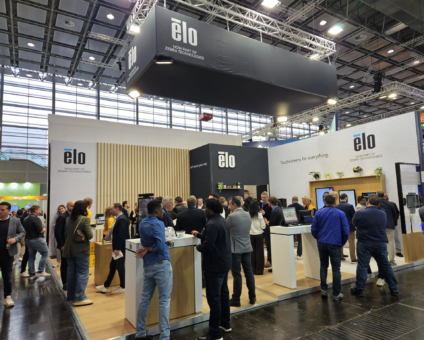
Last week, I had the opportunity to be at EuroShop 2026 in Düsseldorf, Germany, the …

Overview Organizations today face the challenge of consolidating data from on-premise and cloud-based systems into …

Single Sign-On with OAuth 2.0/OpenID Connect One of the many new features included in version …
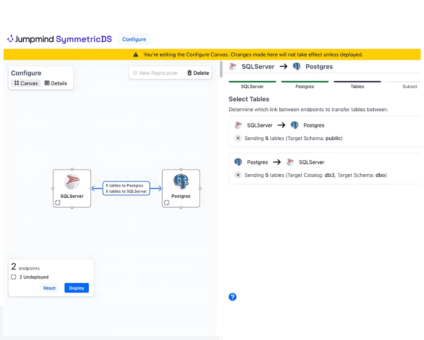
The new release of SymmetricDS Pro 3.16 data replication software simplifies setup, improves performance, and …
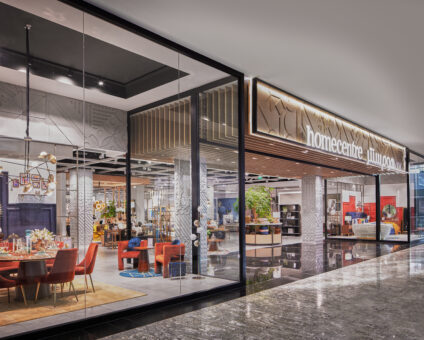
Jumpmind Powers Point of Sale and Promotions Execution for Landmark Retail, One of the Largest …
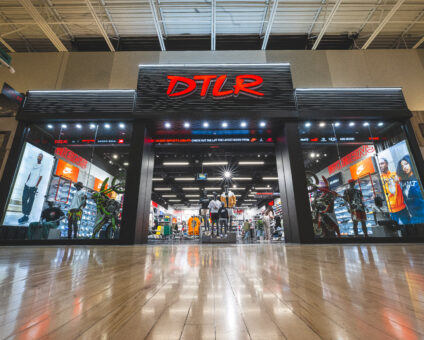
Retail Technology Leader Jumpmind to Enable Mobile Point of Sale and Inventory Management for DTLR/VILLA …
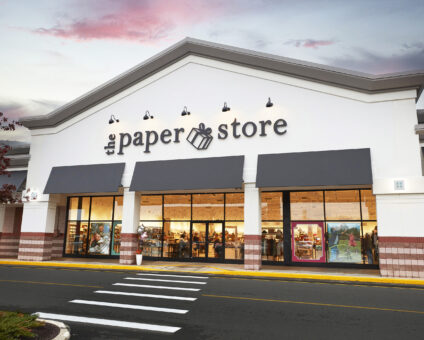
The retailer is charting its next chapter with retail technology modernization to power inspired omnichannel …

LONDON, March 17, 2026 — Jumpmind, a leading provider of innovative retail technology solutions, today …
Last week, I had the opportunity to be at EuroShop 2026 in Düsseldorf, Germany, the …

Digitally Connected Consumers Are Reinventing Brick & Mortar Retail: 53% of European Shoppers Now Use …
Cloud-native POS platform for seamless omnichannel customer experience.
A single hub for all promotions campaigns.
The most advanced synchronization solution for databases and file systems.
Data configuration and batch automation across different disparate systems and vendors.

Physical retail is back as a growth engine; RSR research shows that 85% of retailers see their stores as their primary growth channel. But the retail industry is at an inflection point. Margins are tighter, customer expectations are higher and the old playbook of incremental tech upgrades simply doesn’t scale any more.
Physical store-led growth only materializes if the technology powering the store can keep up. Right now, for too many retailers, it can’t. A third of retailers told RSR their Point of Service (POS) is actively holding them back, and less than half said it supports an innovative or differentiated experience.
The retailers stuck on legacy POS aren’t just frustrated. They’ve done the math and have come to the realization that staying on what they have is more expensive than changing. This is what’s quietly driving one of the biggest platform shifts in retail right now.
65% of retailers admit their current stack doesn’t enable the customer experience they want to deliver. Overlapping legacy systems that were never designed to talk to each other are slowing everything down and making change expensive and fraught with risk. Meanwhile, omnichannel is no longer a premium feature, it’s the baseline. Shoppers expect store associates to have instant access to their order history, preferences, and real-time inventory. Legacy POS systems weren’t built for that world.
Over the past few years, we’ve helped transform and modernize more than 10 large enterprise retailers, spanning athletic, apparel, health & wellness, pet care, gifting, home, and international markets. Brands operating across countries, banners, and formats; household names and category leaders.
And when I look across all of them, six things stand out:
Every one of our customers was running aging infrastructure that couldn’t support the omnichannel experiences today’s shoppers expect. What’s interesting is that many found upgrading within the same vendor was roughly the same lift as switching entirely. When that’s the calculation, inertia disappears fast.
Bath & Body Works deployed a new POS across 1,925 stores in under a year. The Vitamin Shoppe replaced its incumbent system across 700+ stores in under 6 months. Retailers simply don’t have the appetite for 18-to–24-month implementations. The ones winning right now are moving fast and choosing partners who can keep up and push them to move even faster than they ever imagined.
Technology only delivers value when it makes associates better at their jobs – and first and foremost that should be serving customers. But our research found that at many retailers, associates are still spending too much time on tech support and maintenance (42%) and administrative tasks (38%).
The smartest retailers understand that a great associate experience is the customer experience. American Eagle calls their associates their key differentiator. The Paper Store cut POS training from 3 hours to under 30 minutes. Build-A-Bear put mobile POS in the hands of team members to meet guests wherever they are in the store journey. POS is increasingly becoming the associate’s operating system — the single place where customer context, product information, and inventory visibility come together.
Gap runs four brands across five countries. While JD North America runs DTLR and Shoe Palace on one POS instance. Landmark Group’s POS implementation spans six GCC countries in the Middle East. Reitmans Canada runs three retail brands across the country. The Paper Store introduced Uncharted, a new retail brand to support its growth as it expands outside of the US Northeast. A solution that forces operational uniformity across different store concepts isn’t a solution, it’s a constraint.
A 100% referenceable customer base doesn’t happen by accident. It happens when relationships are built on trust, collaboration and co-innovation, not just contract renewals. Both Build-A-Bear and American Eagle are co-designing innovative capabilities that help move their business forward. That’s a fundamentally different kind of partnership than software procurement.
The retailers I respect most aren’t looking for one vendor to do everything; they’re integrating best-in-class OMS, ecommerce, payments, and loyalty platforms and they need a POS that plays well with all of them. In 2026, API-first, composable architecture isn’t a technical nicety, it’s how you future-proof a retail stack and stay ready for whatever comes next, including AI capabilities that legacy systems can’t even support.
A note for every CIO thinking about AI strategy right now: Modern architecture isn’t just about what you can do today, it’s about what you can do next. The retailers that have moved to cloud-native, API-first platforms have built something more valuable than a better checkout experience — they’ve built a data foundation. Every transaction, every associate interaction, every inventory movement flows into a clean, connected system. That’s the raw material AI actually needs to deliver real value — from demand forecasting, to personalized associate recommendations, predictive inventory, and dynamic pricing. Legacy POS systems weren’t designed to generate that kind of structured, accessible data. I’d even argue that some ‘modern’ POS solution can’t either; they’re the ceiling, not a foundation. The CIOs winning the AI race in retail aren’t the ones that invested in AI first. They’re the ones that invested in modern infrastructure first — one that enables them to leverage AI to accelerate their vision and differentiate them from their competitors.
These retailers aren’t just buying new software. They’re making a strategic bet that the cost of standing still is higher than the cost of change. In 2026, I think that bet is becoming impossible to ignore.