The store is becoming a relationship, not just a transaction The store is being talked …



Cloud-native POS platform for seamless omnichannel customer experience.

A single hub for all promotions campaigns.

A comprehensive solution designed to simplify and give you ownership of the inventory lifecycle.

A native post-transaction reconciliation module built into Jumpmind Commerce.

The most advanced synchronization solution for databases and file systems.

Data configuration and batch automation across different disparate systems and vendors.
The store is becoming a relationship, not just a transaction The store is being talked …

I spent this week at eTail Boston, and if you looked at the agenda, you’d …

Consumers are expected to spend more than $146 billion on back-to-school shopping this year, and …
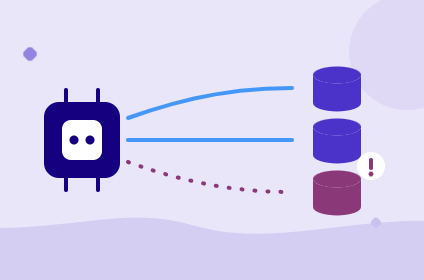
Quick answer: Agentic AI systems need data that is current, consistent across systems, available even …
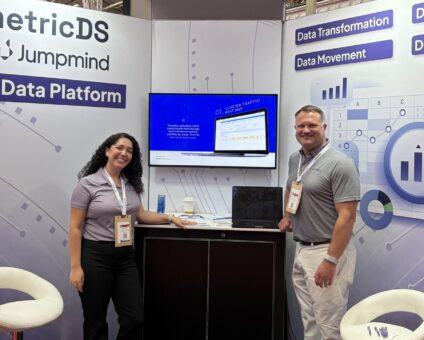
This was our second year at Big Data LDN, and attendance felt just as strong …
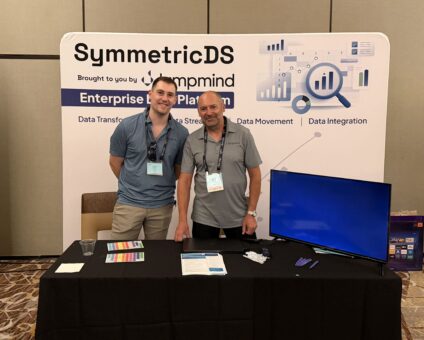
Our booth at TDWI Transform this year had a wider range of visitors than we …

Introduction In retail, POS updates have traditionally been quarterly events at best. From October through …

Jumpmind Powers Point of Sale and Promotions Execution for Landmark Retail, One of the Largest …

Retail Technology Leader Jumpmind to Enable Mobile Point of Sale and Inventory Management for DTLR/VILLA …
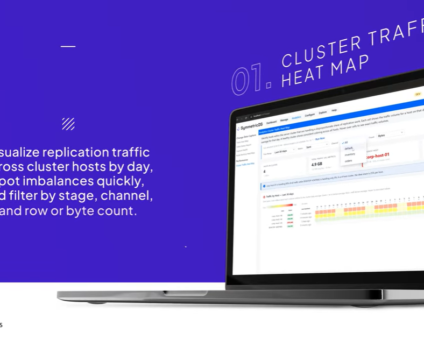
We built 3.18 because the question we kept hearing from customers changed. It used to …

The offering gives security teams a practical path to risk management and accountable AI COLUMBUS …

The insights have implications for retail technology in the store: it must help mind information …
Cloud-native POS platform for seamless omnichannel customer experience.
A single hub for all promotions campaigns.
A comprehensive solution designed to simplify and give you ownership of the inventory lifecycle.
A native post-transaction reconciliation module built into Jumpmind Commerce.
The most advanced synchronization solution for databases and file systems.
Data configuration and batch automation across different disparate systems and vendors.
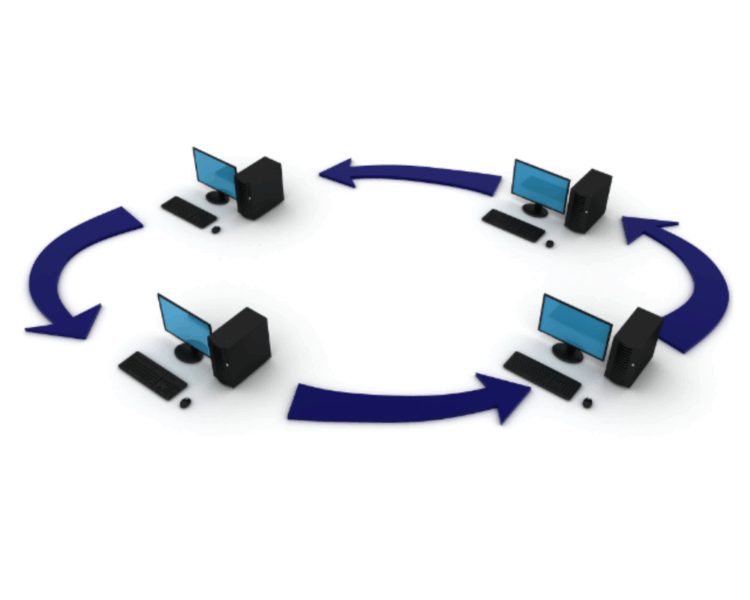
The SymmetricDS product can synchronize data between over forty different database platforms with out of the box settings. There are many solutions in the market today that have the ability to synchronize like databases, but not many that can sync between more than forty different database platforms in the same sync scenario with a click of a button. Syncing data across different database platforms offers several benefits, including:
1. Data Integration: Syncing data allows for the integration of information from multiple databases, regardless of the platform they are hosted on. This enables organizations to have a unified view of their data, facilitating better decision-making and analysis.
2. Improved Data Accuracy: By syncing data across different database platforms, organizations can ensure that all databases have consistent and up-to-date information. This helps to avoid data discrepancies and inaccuracies that can arise when data is stored and managed separately.
3. Enhanced Data Accessibility: Syncing data across different database platforms enables users to access and retrieve information from various sources in a seamless manner. This improves data accessibility and eliminates the need for manual data transfers or duplications.
4. Increased Efficiency: Syncing data eliminates the need for manual data entry or data migration between different databases. This saves time and effort, allowing organizations to focus on more critical tasks and processes.
5. Scalability and Flexibility: Syncing data across different database platforms provides scalability and flexibility. Organizations can easily add or remove databases as needed, without disrupting the overall data synchronization process.
6. Business Continuity: Syncing data across different database platforms helps to ensure business continuity. In the event of a database failure or system outage, organizations can quickly switch to an alternative database platform without losing critical data.
7. Cost Savings: Syncing data across different database platforms can lead to cost savings. It eliminates the need for investing in expensive data migration tools or hiring specialized personnel to manually transfer data between databases.
Overall, syncing data across different database platforms offers numerous benefits, including improved data integration, accuracy, accessibility, efficiency, scalability, business continuity, and cost savings. It enables organizations to have a unified and consistent view of their data, regardless of the platforms used.