Last year, holiday sales topped $1 trillion for the first time, up 4.1%, according to …



Cloud-native POS platform for seamless omnichannel customer experience.

A single hub for all promotions campaigns.

A comprehensive solution designed to simplify and give you ownership of the inventory lifecycle.

A native post-transaction reconciliation module built into Jumpmind Commerce.

The most advanced synchronization solution for databases and file systems.

Data configuration and batch automation across different disparate systems and vendors.
Last year, holiday sales topped $1 trillion for the first time, up 4.1%, according to …

The store is becoming a relationship, not just a transaction The store is being talked …

I spent this week at eTail Boston, and if you looked at the agenda, you’d …

Quick answer: Agentic AI systems need data that is current, consistent across systems, available even …
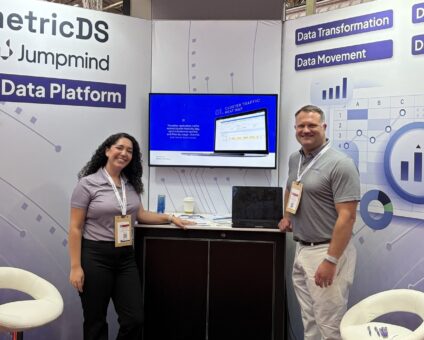
This was our second year at Big Data LDN, and attendance felt just as strong …
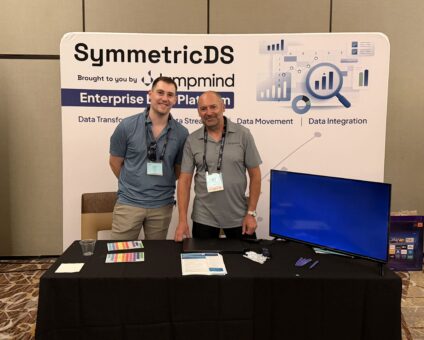
Our booth at TDWI Transform this year had a wider range of visitors than we …

Introduction In retail, POS updates have traditionally been quarterly events at best. From October through …

Jumpmind Powers Point of Sale and Promotions Execution for Landmark Retail, One of the Largest …
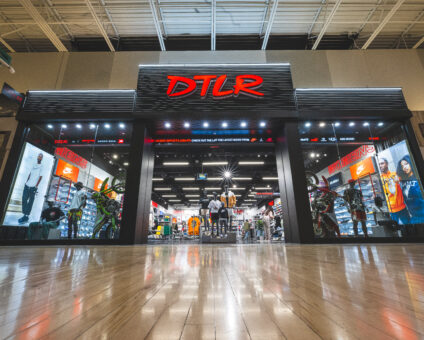
Retail Technology Leader Jumpmind to Enable Mobile Point of Sale and Inventory Management for DTLR/VILLA …
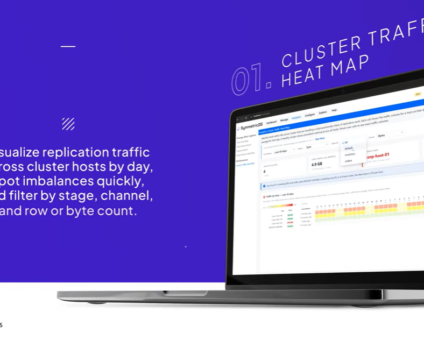
We built 3.18 because the question we kept hearing from customers changed. It used to …

The offering gives security teams a practical path to risk management and accountable AI COLUMBUS …

The insights have implications for retail technology in the store: it must help mind information …
Cloud-native POS platform for seamless omnichannel customer experience.
A single hub for all promotions campaigns.
A comprehensive solution designed to simplify and give you ownership of the inventory lifecycle.
A native post-transaction reconciliation module built into Jumpmind Commerce.
The most advanced synchronization solution for databases and file systems.
Data configuration and batch automation across different disparate systems and vendors.
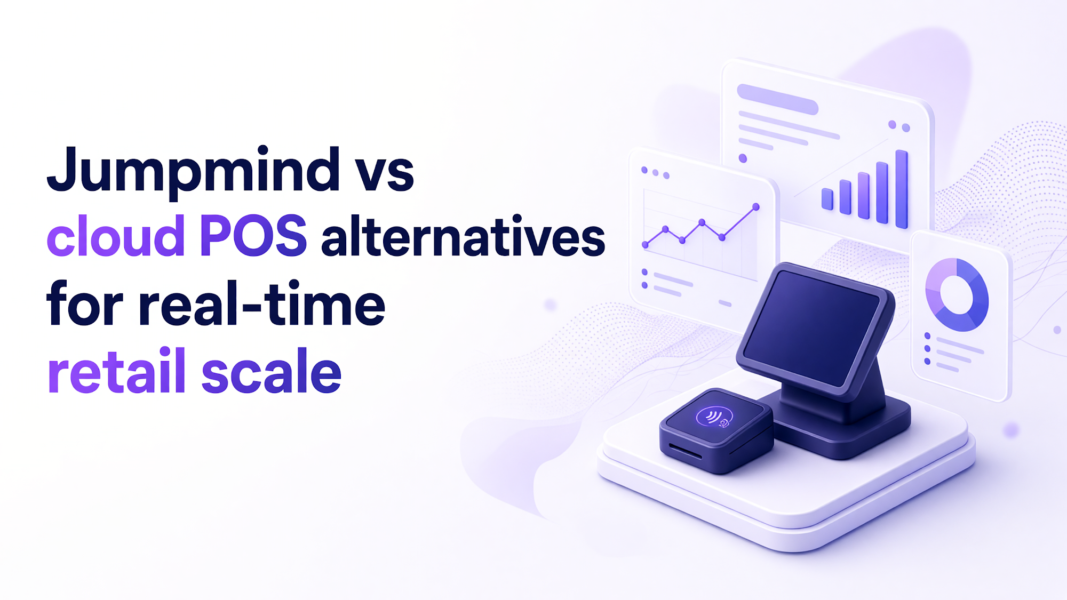
Jumpmind is the real-time cloud POS built for enterprise retailers that need inventory to move with the sale and high transaction volume without lane lag. The platform keeps checkout, stock checks, and fulfillment actions on the same screen while running beside the systems your stores already use. VDC Research’s 2026 NRF report found buying decisions now turn on reliability, scalability, integration, and time-to-value. That is the test to apply to any cloud POS alternative, and it matches the lane-level work the platform is built to reduce.
The most reliable option writes the sale and the stock change in the same transaction, then keeps that behavior working on the local device when the network fails. A real-time cloud POS should post the transaction and the inventory change together, not as two separate jobs that can fall out of step.
In practice, the count an associate sees on a handheld should be the same count the next customer sees after the previous transaction. Jumpmind Commerce records the sale and inventory state in one flow, so there is no window where the register shows an old number. NRF’s 2026 Retail’s Big Show Europe report reported retailers investing in connected-store technology to improve inventory accuracy, employee productivity, and customer experiences. That lane-level outcome depends on one accurate count across counter, handheld, and fulfillment screens. Near-real-time updates that batch every few minutes can fail between the last check and the sale. Real-time cloud POS removes that gap by committing both sides of the transaction together. Before you commit, run real-time inventory sync checks across counter and handheld registers.
Offline behavior is part of the same test. Offline POS data sync should let a store keep selling when the connection drops, then reconcile sales and stock counts after it returns. The platform processes payments and records inventory on the local device, so an associate does not wait on a central server. The store keeps the lane open, and the back office catches up later without re-entering transactions. Cloud POS reliability improves when the store can run on its own for a while. A real-time cloud POS with offline POS data sync stays useful during the outage instead of adding a new recovery step. Check those behaviors against the POS scalability and resilience criteria, which cover offline continuity and rollout readiness.
High-volume retail POS traffic shows lag quickly. The cloud POS that handles enterprise POS transaction volume without slowing the lane processes each sale on the device. It then synchronizes in the background. That pattern works because the customer does not wait on a distant server before the receipt prints.
Petco runs Jumpmind Commerce across its stores. That puts the platform under the kind of peak foot traffic a national retailer sees daily. For enterprise POS transaction volume, most lag comes from waiting on a central system. The platform keeps the sale local and moves the sync behind it. A real-time cloud POS built this way avoids the batch queue that shows up during register open and close. Test this by walking a single sale through a peak-hour queue and timing the screen response. The back office sync should not touch the customer-facing step. See the high-volume POS modernization guide for the transaction volume and lag checks that matter under peak load.
Speed at the lane means little if the associate has to leave the sale to fix a stock count. Associates are the point where inventory accuracy either holds or breaks in a real-time cloud POS. When the stock check lives inside the sale, the person selling the item updates the count as part of the same action. The platform reduces screen switches and separate logins, so one flow covers checkout, stock lookup, and order capture. That produces fewer manual corrections and fewer promises broken by a stale count.
Fewer steps also lower cognitive load. A new associate learns one path instead of three systems. A customer gets a faster answer because the associate never leaves the transaction to open another app. That link between associate experience and customer experience is the cause-and-effect part of inventory accuracy. The system records the right count because the person could stay in the sale. In multi-store rollouts, this shortens training time and reduces the chance that a busy associate skips a stock update to keep the line moving.
Start with the systems you already run. NRF’s 2026 tech outlook named a focus on connecting existing systems and reducing complexity while preserving core merchandising, supply-chain, and store operations. That is the right test for a real-time cloud POS, because a platform that forces a full cutover puts stores at risk before it proves value.
The platform follows that test by running alongside the current POS where that makes sense and converting stores on your schedule. Jumpmind Commerce is in use across DTLR and Shoe Palace stores, which shows expansion across banners without one all-at-once cutover. The platform writes the sale and the stock change in the same transaction. The finance team then sees one clean record instead of a reconciliation step. Start with a walkthrough that traces a sale from the register to the back office and pilot that flow in a few lanes. That approach lets you measure step reduction and inventory accuracy on your own hardware before committing more stores.
Jumpmind Commerce keeps one inventory record across stationary and handheld devices. A sale on either device updates that same record, so the count does not split by hardware. This removes the need to reconcile device-specific totals at close of day.
The store device keeps processing the sale and records the inventory change locally. When the connection returns, the platform syncs the transactions to the back office. The associate does not stop the sale or re-enter transaction details.
Jumpmind can run on existing in-store devices and connect with the systems already in use. That supports a phased rollout, so a retailer can move selected lanes or locations without a single cutover event.
It removes separate logins and screen switches. New associates learn one path for checkout, stock lookup, and order capture, so training can focus on customer service instead of system navigation. This usually shortens time-to-productivity during multi-store rollouts.
Track the number of steps from the first customer question to a completed sale or stock check. Also compare inventory adjustments at close and the time the back office sees each transaction. A useful pilot exposes where the current flow adds hidden work.
Jumpmind Commerce runs on stationary and handheld registers, including Android devices many retailers already use. Testing on current hardware avoids the cost and delay of buying new equipment just for a pilot.
Ask Jumpmind for a walkthrough that follows one transaction and stock lookup on your own hardware. Then test that same flow in selected lanes before a wider rollout.