The store is becoming a relationship, not just a transaction The store is being talked …



Cloud-native POS platform for seamless omnichannel customer experience.

A single hub for all promotions campaigns.

A comprehensive solution designed to simplify and give you ownership of the inventory lifecycle.

A native post-transaction reconciliation module built into Jumpmind Commerce.

The most advanced synchronization solution for databases and file systems.

Data configuration and batch automation across different disparate systems and vendors.
The store is becoming a relationship, not just a transaction The store is being talked …

I spent this week at eTail Boston, and if you looked at the agenda, you’d …

Consumers are expected to spend more than $146 billion on back-to-school shopping this year, and …

Quick answer: Agentic AI systems need data that is current, consistent across systems, available even …
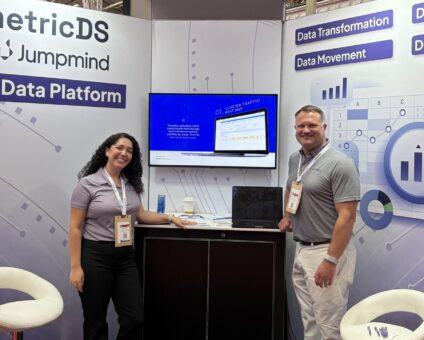
This was our second year at Big Data LDN, and attendance felt just as strong …
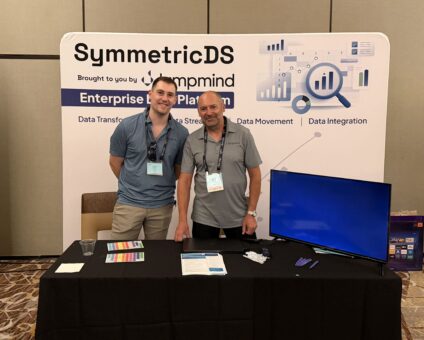
Our booth at TDWI Transform this year had a wider range of visitors than we …

Introduction In retail, POS updates have traditionally been quarterly events at best. From October through …
Jumpmind Powers Point of Sale and Promotions Execution for Landmark Retail, One of the Largest …
Retail Technology Leader Jumpmind to Enable Mobile Point of Sale and Inventory Management for DTLR/VILLA …
We built 3.18 because the question we kept hearing from customers changed. It used to …

The offering gives security teams a practical path to risk management and accountable AI COLUMBUS …

The insights have implications for retail technology in the store: it must help mind information …
Cloud-native POS platform for seamless omnichannel customer experience.
A single hub for all promotions campaigns.
A comprehensive solution designed to simplify and give you ownership of the inventory lifecycle.
A native post-transaction reconciliation module built into Jumpmind Commerce.
The most advanced synchronization solution for databases and file systems.
Data configuration and batch automation across different disparate systems and vendors.
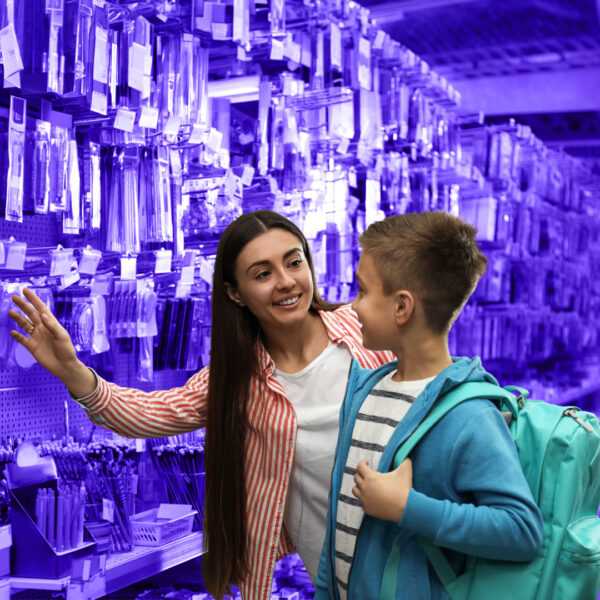
Consumers are expected to spend more than $146 billion on back-to-school shopping this year, and most (62%) have already started shopping, according to the National Retail Federation (NRF). But this year’s season presents a unique challenge and opportunity for retailers: serving hyper-informed shoppers and turning them into long-time customers.
Customers are showing up at stores with more information than ever before. Most (84%) start their shopping journeys online, but finish in store. Parents and students have read reviews, compared features, watched social content, and narrowed their options before ever speaking to an associate. They don’t need store associates to provide basic information — they are coming for something deeper: reassurance, comparison, context, and confident advice to help them make the right choice.
That creates a major opportunity for retailers, but also a growing risk. 36% of retailers say meeting the needs of hyper-informed customers is a top threat to their business. When a shopper already knows the basics, the role of the associate changes; it’s no longer enough to point to the right aisle or recite a product label. Associates need to be able to answer more nuanced questions, explain tradeoffs, recommend the right bundle, and guide shoppers through choices in a way that feels informed and personal.
Our research shows nearly half of retailers (45%) believe their employees spend too much time trying to answer customer service questions, and 42% say they spend too much time on technology support and maintenance – both things that can erode associates’ efforts to provide consultative shopping experiences in the store.
Most store associates are still expected to work with incomplete or fragmented information. They may need to toggle between systems, rely on memory, or track down details in a back office that shoppers expected them to know instantly. This leaves shoppers feeling as if the store isn’t what it used to be — further eroding the advantages of physical retail over e-commerce.
This is why the right in-store technology matters. Our research shows that the wrong technology can add complexity, leading to cognitive overload for associates that harms the customer experience. Modern, mobile-first Point of Service systems, on the other hand, equip associates with faster access to the right information, in the moment they need it. Product knowledge, promotions, inventory visibility, and loyalty context should support the conversation, not interrupt it. When that happens, associates can stay focused on helping shoppers evaluate options and make decisions with confidence.
Consider a parent shopping for a middle schooler needing their first laptop. They may already know the brands they are considering and the rough price range they expect. What they need from the store is help narrowing choices and understanding what best fits their child’s needs. An empowered associate can compare options, explain why one device or bundle makes more sense than another, clarify which promotions add value, and then close out the trip with a seamless checkout that recognizes loyalty and reinforces the feeling that this was the right retailer to choose – and come back to!
NRF’s back-to-school shopping research found that affordability is a top priority for families this year, with 46% waiting for the best deals to complete their shopping. Back-to-school shoppers are often buying across categories and looking for the best total value, not just the lowest price on one item. That makes it more important than ever for associates to understand which offers apply, how bundles and incentives work and how to help customers maximize value without creating confusion. Promotions should be unified across e-commerce and the physical store to mitigate uncertainty and customer frustration.
Loyalty also has a bigger role to play than many retailers assume. For a family making a major seasonal purchase, loyalty should feel like part of the experience, not an afterthought at the register. If associates can see relevant loyalty context and checkout can recognize rewards or benefits seamlessly, that retailer has a greater chance to turn a single back-to-school mission into the beginning of a longer relationship. The best loyalty moments make the customer feel like the retailer understands them and rewards them in ways that are timely and useful.
The final stop on a back-to-school shopper’s journey is often a long, chaotic checkout line. This is where many retailer’s brand promises fall flat — the experience is time consuming, and often, when the customer reaches the register, they run into issues such as inaccurate pricing, misunderstood promotions or struggles in returning items previously purchased. The associate, wrestling with the process and toggling through screens, can’t deliver the excellent customer service shoppers expect.
Investing in a modern POS system that is seamless for both associates and customers to interact with can transform this “last mile” of the in-store experience. Shoppers see engaging, interactive and personalized content as they check out, while associates are free to converse with them and make sure they have found everything they needed.
For retailers looking to strengthen store performance this season, back-to-school is the right time to assess whether associates have the tools, context, and confidence to meet the modern shopper where they are. Our research found that 62% of retailers say customers are demanding different store experiences than what they can currently provide. Jumpmind’s approach helps connect associate experience, promotions, loyalty, and checkout into a more intuitive store journey — so retailers can turn high-intent visits into lasting loyalty.