The store is becoming a relationship, not just a transaction The store is being talked …



Cloud-native POS platform for seamless omnichannel customer experience.

A single hub for all promotions campaigns.

A comprehensive solution designed to simplify and give you ownership of the inventory lifecycle.

A native post-transaction reconciliation module built into Jumpmind Commerce.

The most advanced synchronization solution for databases and file systems.

Data configuration and batch automation across different disparate systems and vendors.
The store is becoming a relationship, not just a transaction The store is being talked …

I spent this week at eTail Boston, and if you looked at the agenda, you’d …

Consumers are expected to spend more than $146 billion on back-to-school shopping this year, and …

Quick answer: Agentic AI systems need data that is current, consistent across systems, available even …
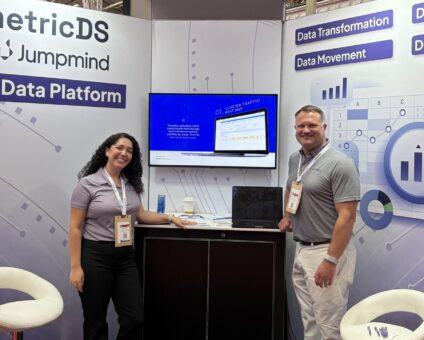
This was our second year at Big Data LDN, and attendance felt just as strong …
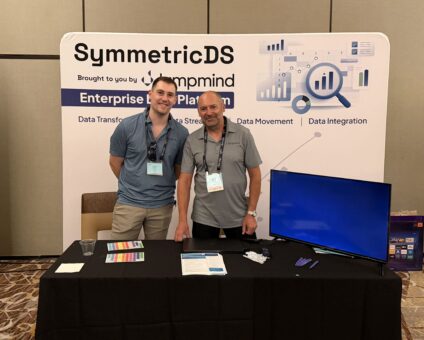
Our booth at TDWI Transform this year had a wider range of visitors than we …

Introduction In retail, POS updates have traditionally been quarterly events at best. From October through …
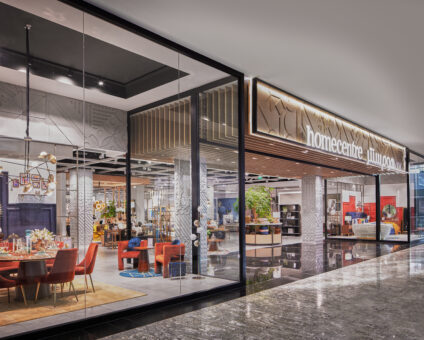
Jumpmind Powers Point of Sale and Promotions Execution for Landmark Retail, One of the Largest …
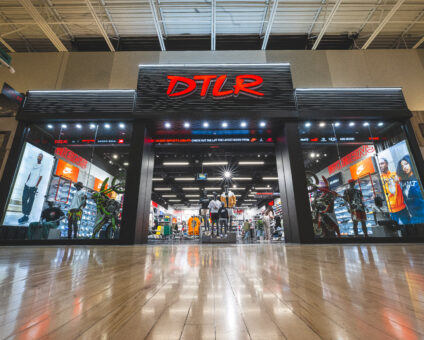
Retail Technology Leader Jumpmind to Enable Mobile Point of Sale and Inventory Management for DTLR/VILLA …
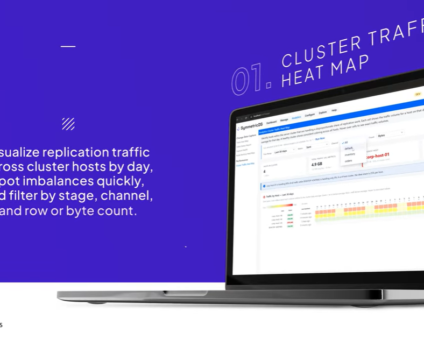
We built 3.18 because the question we kept hearing from customers changed. It used to …

The offering gives security teams a practical path to risk management and accountable AI COLUMBUS …

The insights have implications for retail technology in the store: it must help mind information …
Cloud-native POS platform for seamless omnichannel customer experience.
A single hub for all promotions campaigns.
A comprehensive solution designed to simplify and give you ownership of the inventory lifecycle.
A native post-transaction reconciliation module built into Jumpmind Commerce.
The most advanced synchronization solution for databases and file systems.
Data configuration and batch automation across different disparate systems and vendors.

Market Intelligence
In a retail world increasingly defined by digital convenience and e-commerce dominance, brick-and-mortar stores remain crucial both to retailers’ growth and to meet shoppers’ preferences for experiential retail. But while both retailers and shoppers are leaning into physical stores, there is growing acknowledgment that the in-store experience frequently falls short of customer expectations. Our survey conducted by Retail Systems Research (RSR) underscores a critical disconnect: Shoppers are demanding more engaging, intuitive, and tech-enhanced in-store experiences, yet many retailers are falling short of these expectations.
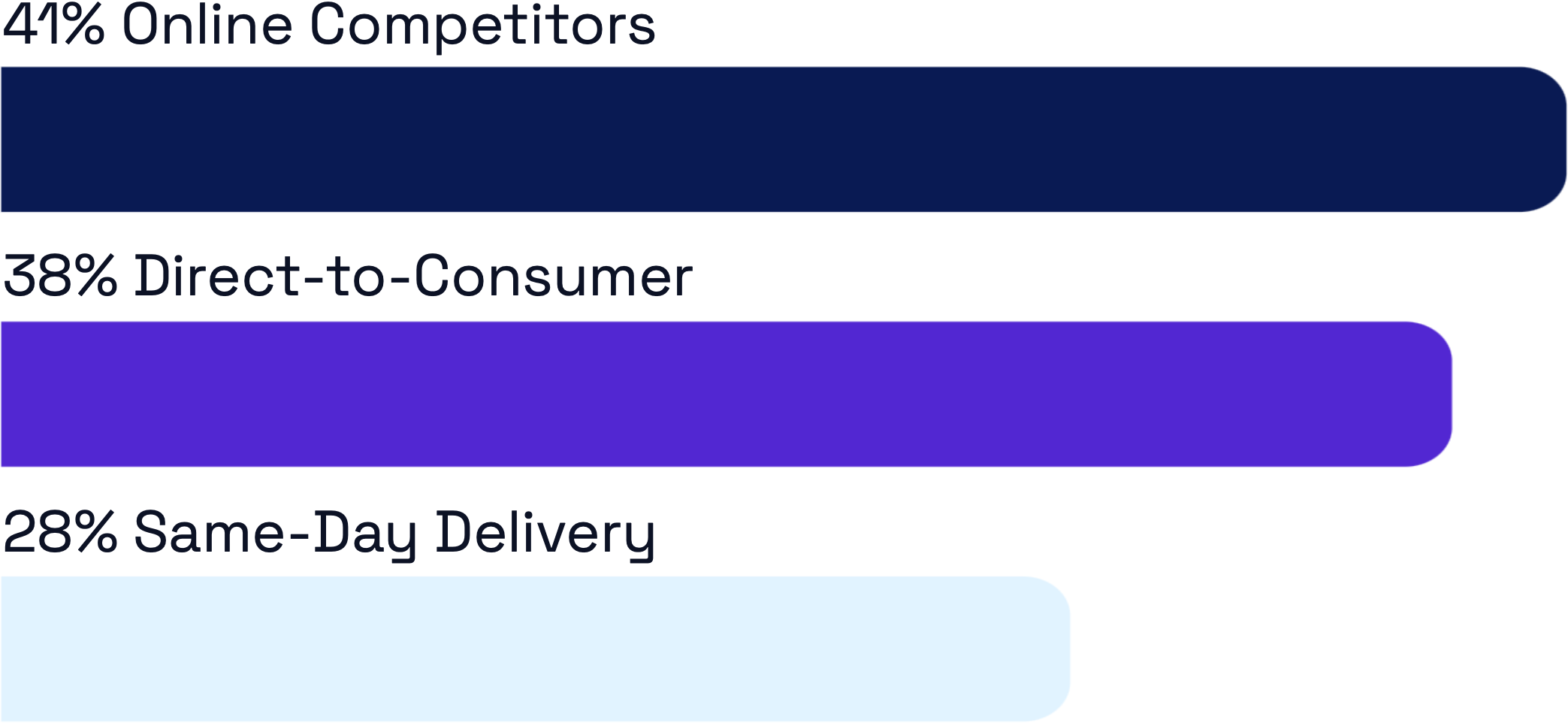
Chief among emerging threats to retailers are online competitors (41%), direct-to-consumer (D2C) brands (38%), and e-commerce platforms offering same-day delivery (28%).
Despite the growing popularity of online shopping, 85% of retailers surveyed in our study said stores remain their primary strategy for growth. For top-performing retailers — those characterized as Retail Winners* — that number climbs to 90%.
While 84% of shopping journeys today begin online, the majority of purchases are completed in-store. This reinforces a fundamental truth: the physical store remains the cornerstone of retail engagement.
However, the appeal of the store hinges on its ability to meet changing customer expectations — a task that many retailers admit they are struggling with. While 75% of retailers believe customers still enjoy browsing stores, 62% acknowledge that consumers now want something different from their in-store experience than what they’ve provided in the past.
* Assuming industry average comparable store/channel sales growth of 7%, for the purposes of our study, “Retail Winners” are categorized as those with sales above 7%.

Our study shows there’s a significant perception gap in how retailers view the in-store experience they offer and how customers perceive that experience. Previous research shows only 24% of consumers say their favorite retailer offers an exciting in-store
shopping experience. Even more telling, 22% of consumers say their favorite retailer does not do this well at all.
Shoppers today are deeply digital by default — armed with product knowledge, price comparisons, and reviews before stepping foot into a store. Yet the in-store environment often fails to match the sophistication and personalization of online experiences.
In our survey, 30% of retailers say they cannot view and understand what shoppers are buying or have purchased through their online channels to personalize and guide the in-store shopping experience.
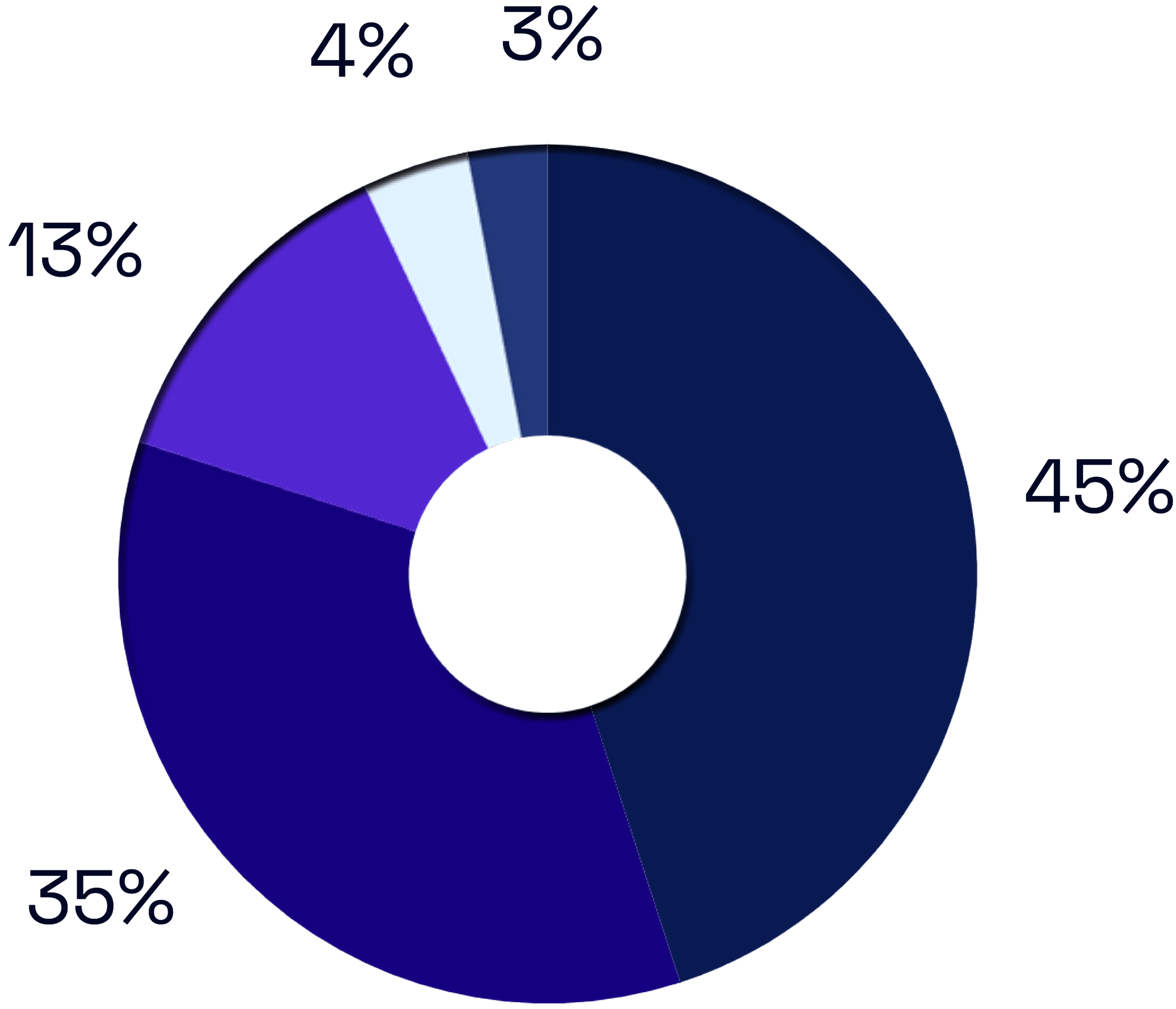
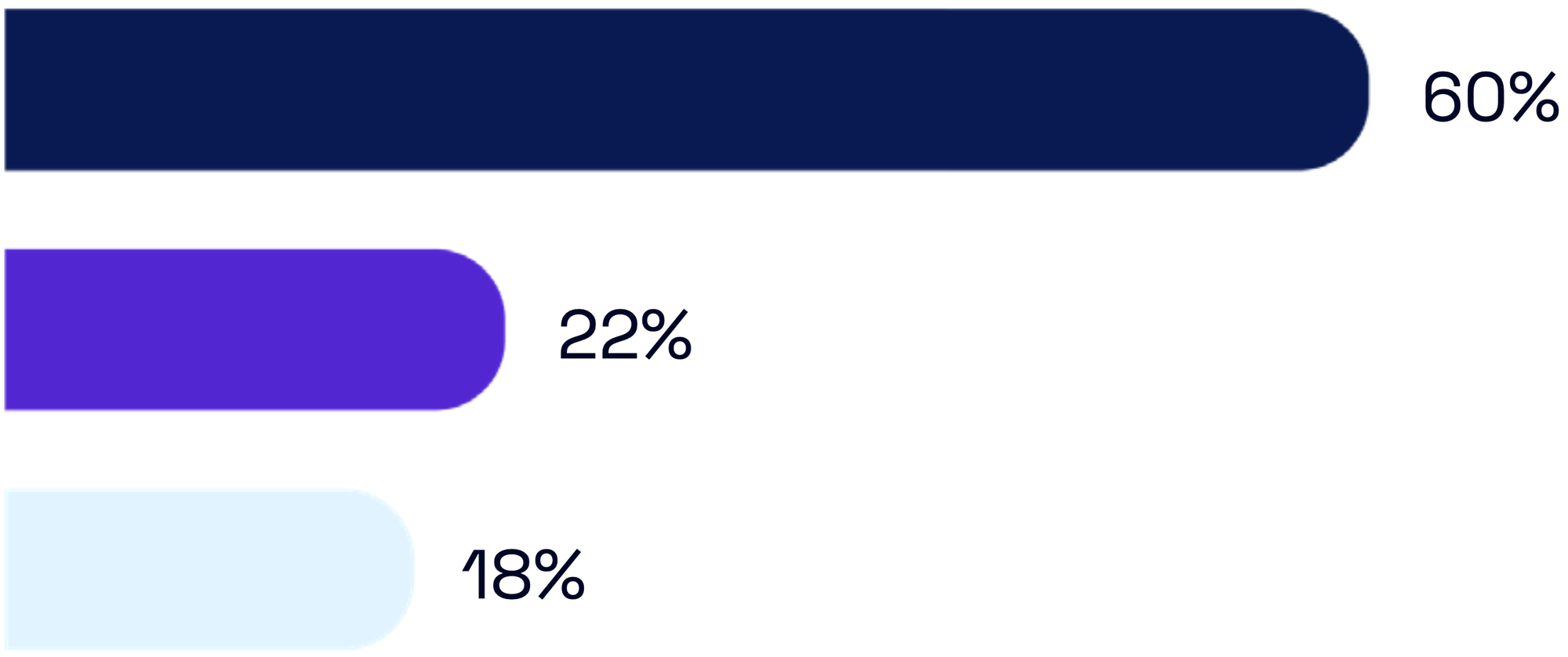
Point of Sale systems are crucial to enabling retailers to provide exceptional in-store shopping experiences, and are the keystone to streamlined operations, enhanced customer service, and informed decision-making. 65% of retailers we surveyed say their current store tech isn’t capable of supporting the future of shopping. While half report receiving regular customer complaints about in-store service. Only 30% of retailers with POS systems in place for five years or more believe their systems help support an innovative, differentiated store experience. While 53% of retailers with POS systems in service for five years or more said they feel their POS system is holding them back from providing an innovative/differentiated store experience.

By contrast, 73% of those with newer POS systems (under two years old) feel confident that they are better equipped and empowered to support an innovative/differentiated store experience.
This suggests that technology age and adaptability are key to bridging the experience gap. Legacy POS systems are not only inefficient — they are actively holding retailers back from providing the in-store experience customers want and increasingly demand.
Retailers we surveyed are acutely aware of emerging threats to their business. Chief among these are online competitors (41%), direct-to-consumer (D2C) brands (38%), and e-commerce platforms offering same-day delivery (28%). These disruptors can have the upper hand when it comes to convenience, personalization, and speed that brick-and-mortar retailers struggle to match.
However, Retail Winners demonstrate a different mindset. They are less threatened by price competition or digital-only players. Instead, they focus on what physical stores can offer that online can’t: tactile experiences, instant gratification, and human interaction. They see the store not just as a place to transact, but as a hub for brand storytelling, customer engagement, and omnichannel fulfillment.
One of the most illuminating findings from the RSR report revolves around the Point of Sale (POS) system. A surprising number of retailers still view POS as a basic transaction tool. But forward-thinking brands understand that POS is now the technological backbone of the store. It integrates inventory management, customer data, loyalty programs, returns processing, and even clientelling.
Retailers with modern POS systems see substantial benefits. Newer systems enable endless aisle capabilities, seamless omnichannel order fulfillment, and access to customer profiles that enhance personalization. The POS is no longer just the endpoint of a sale — it’s the system of record for richer customer engagement, enabling retailers to deliver differentiated experiences that keep consumers coming back for more.
Modernizing the in-store experience isn’t optional — it’s essential. Next-gen POS technology provides the agility to create differentiated experiences that today’s shoppers appreciate — elevating the store to be a true competitive advantage. Our survey findings point to several high-value POS features that can transform store operations and customer satisfaction. These include:

Mobile solutions to increase visibility, improve efficiency, and enhance customer interaction by “untethering” associates from the register/cash wrap station.
Clienteling and CRM tools to put transaction and historical data in the hands of associates and personalize shopping experiences.
In-store real-time inventory visibility to support endless aisle functionality, to ensure that customer needs can be fulfilled from merchandise across the retail enterprise.
Self-service tools and loyalty app integration to empower tech-savvy shoppers with the information and functionality they need, at the moment it matters most.
For associates, mobility facilitates customer engagement and problem-solving, freeing
them from being tethered to the cash wrap. When POS is in the palm of one’s hand, it’s also intuitive and efficient for associates, minimizing training time, and improving the associate experience.
In the hands of store managers, mobility provides the ability to be out on the showroom floor. And when used at the point of purchase, these low-cost, fully-featured, consumer-grade devices open up a world of possibilities for retailers to reimagine the checkout experience.
Checkout and payment is often the least inspired experience in the in-store journey. Providing a customer-facing mobile device at checkout enables retailers to bring highly personalized digital engagement direct to shoppers.
This reimagining of the checkout experience delivers greater shopper relevancy, interactivity, and value, while giving retailers more brand exposure and sales opportunities.
Traditional POS systems have been transaction-centric, focusing on facilitating checkout processes. Next-gen POS systems, in contrast, are customer-centric and shopping focused. These systems provide retailers with tools to engage customers, track preferences, and offer personalized, omni-channel experiences, especially when integrated with clientelling software. This enables associates to understand what shoppers have purchased through their online channels to personalize and guide the in-store shopping experience.
Next-gen POS solutions empower store associates to act as trusted advisors, providing expert guidance to customers, going beyond providing efficiency in-store shopping journeys to provide real value, helping retailers support winning store strategies.
Retail Systems Research conducted an online survey from December 2024-January 2025 and received responses from 112 qualified retail respondents (retail executives and store managers).
Known for its cloud-native, mobile Point of Sale (POS) platform, Jumpmind offers the most modern and technologically leading POS and unified promotions to support inspired shopping experiences that empower both shoppers and the retail associates who serve them.
While most POS platforms are designed to meet retailers’ current needs, Jumpmind builds a system designed for the future. Business requirements can shift, customer expectations can evolve, and hardware preferences change over time. That’s why Jumpmind solutions — which are built by retail industry veterans — are technology agnostic, adaptable and future-proof, enabling retailers to stay ahead of the curve through agility, at scale.