The store is becoming a relationship, not just a transaction The store is being talked …



Cloud-native POS platform for seamless omnichannel customer experience.

A single hub for all promotions campaigns.

A comprehensive solution designed to simplify and give you ownership of the inventory lifecycle.

A native post-transaction reconciliation module built into Jumpmind Commerce.

The most advanced synchronization solution for databases and file systems.

Data configuration and batch automation across different disparate systems and vendors.
The store is becoming a relationship, not just a transaction The store is being talked …

I spent this week at eTail Boston, and if you looked at the agenda, you’d …

Consumers are expected to spend more than $146 billion on back-to-school shopping this year, and …

Quick answer: Agentic AI systems need data that is current, consistent across systems, available even …
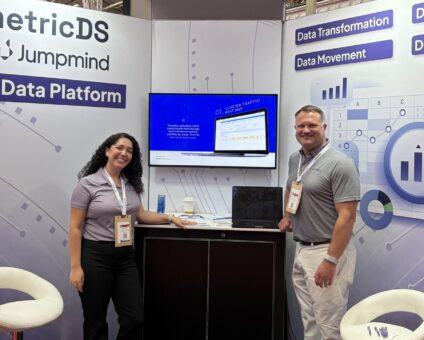
This was our second year at Big Data LDN, and attendance felt just as strong …
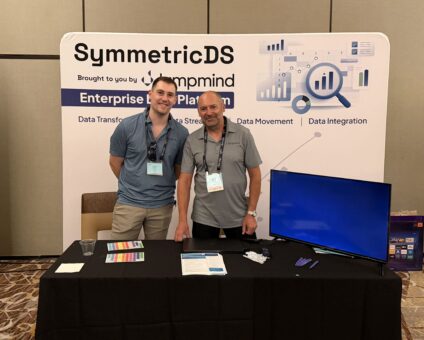
Our booth at TDWI Transform this year had a wider range of visitors than we …

Introduction In retail, POS updates have traditionally been quarterly events at best. From October through …

Jumpmind Powers Point of Sale and Promotions Execution for Landmark Retail, One of the Largest …
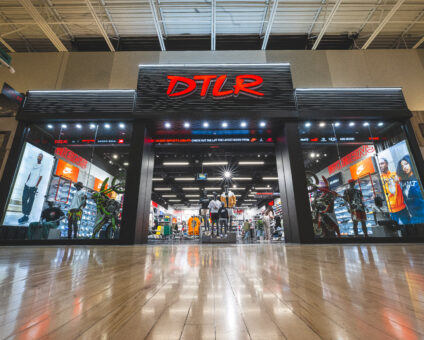
Retail Technology Leader Jumpmind to Enable Mobile Point of Sale and Inventory Management for DTLR/VILLA …
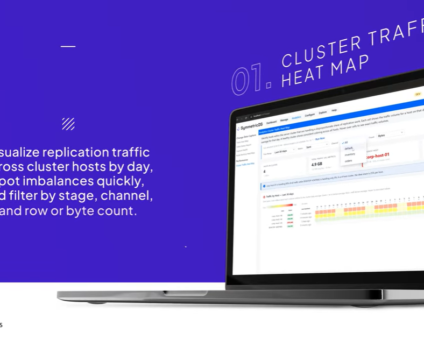
We built 3.18 because the question we kept hearing from customers changed. It used to …

The offering gives security teams a practical path to risk management and accountable AI COLUMBUS …

The insights have implications for retail technology in the store: it must help mind information …
Cloud-native POS platform for seamless omnichannel customer experience.
A single hub for all promotions campaigns.
A comprehensive solution designed to simplify and give you ownership of the inventory lifecycle.
A native post-transaction reconciliation module built into Jumpmind Commerce.
The most advanced synchronization solution for databases and file systems.
Data configuration and batch automation across different disparate systems and vendors.
Yes, you still need retail inventory management software if you already have a POS. A POS records the sale, and the associate still needs a stock figure they can promise. Jumpmind Commerce keeps that record beside the systems you already run. The guest gets a straight answer from the person in front of them.
An associate needs on-hand, reserved, and incoming stock in one place so they can answer a guest without opening a second tool. It sits beside the POS, which still takes payment. Together with Jumpmind Commerce, that record follows the task on the handheld or register. Your team sets what can be promised.
The U.S. Census Bureau publishes retail sales and inventories as separate series. Those series include inventories-to-sales ratios, which treat inventory as its own measure in data updated in 2026. That split matches the question on your floor. A completed sale and a stock position are different jobs, and your associate is asked both in the same minute.
You already know which promises your brand will make. Jumpmind Commerce holds those promises as the stock system, and your POS remains the selling terminal.
Check three things on a live transaction before you call the record trustworthy. First, the on-hand drops when the sale completes. Second, a reservation from another channel shows before the associate offers the unit. Third, a handheld count updates the same figure the register uses. If any of those three fail, the lane still took payment and the stock answer is weak. Jumpmind Commerce is where we close that gap with your store systems team.
Yes, you need it when the associate must promise a unit the POS has not shown as one figure. That unit may have been sold, transferred, or reserved elsewhere. POS inventory limitations start at that gap. Jumpmind Commerce keeps the sale in your current POS and gives one stock answer in the same visit. Fewer steps between screens follow from that.
Before you add tools, check more than the lane on-hand. Confirm a promised unit can still be picked, shipped, or held. Our notes on store inventory fulfillment checks walk through that list. Jumpmind Commerce makes the promise from the same stock record the associate just used. The back room then works from that same promise.
NRF’s 2025 RFID article finds that RFID can help retailers attain inventory tracking rates of 99%, a measure of goods tracked rather than sales posted. For your stores, that rate is about knowing what is still there after the receipt prints. The receipt proves a sale. It does not prove the next unit is on the shelf. Retail inventory management software is what we use, with you, to put that shelf answer in the task.
Real-time store inventory is the on-hand an associate sees after the last sale and count. It also includes the last channel reservation you chose to honor. A lane can post a tender and still leave other stores on an older figure. With Jumpmind, we bring those updates into the open task, so the associate does not swivel to another system.
Lane sales often reach other stores after a delay. During that delay, a second associate can promise the same unit. The checks in real-time inventory sync requirements show what to verify when the lag is the issue. This is where retail inventory management software earns its place next to the POS. Jumpmind Commerce writes the accepted sale to the shared on-hand. The associate stays in the conversation. A supervisor can review a conflict after the visit, when the floor is quieter.
Your team should decide which transaction type wins when two updates land together. We set that rule with you. A display quantity and a hard reserve should follow different logic, and you already know which is which. The constraint is real: one shared figure cannot honor two incompatible promises. The screen should show the winner you chose, so the associate does not invent one under pressure.
Omnichannel stock visibility is only useful if the associate can act on it during the visit. Associate inventory tools should show what this store can hand over. They should also show what another store can ship, and what is already reserved. Jumpmind Commerce puts that choice in the selling task, so the guest hears one answer without a second app.
A shopper can buy more than what is on the fixture in front of them. The endless aisle selling model describes that path. If the associate cannot see it, the guest cannot complete that purchase in the conversation. Jumpmind Commerce carries available units into the selling task, including stock that will ship from another node. So the guest hears one offer, and the associate does not rebuild it on a kiosk.
There is a trade-off. Every extra node you offer is a promise you must keep. If the unit is reserved, Jumpmind Commerce says so on the screen before the associate offers it, and channel stock stays visible without a separate report. Less swiveling between systems is what makes the guest’s wait shorter.
Store inventory accuracy is the match between the screen and the unit the associate can reach. When that match is tight, the guest gets a yes or a clear alternative in one conversation. Jumpmind Commerce keeps the count, the sale, and the reservation in that conversation. The associate then carries less in their head.
When the screen and the shelf disagree, the associate hesitates, and the guest feels it. NRF’s 2025 RFID coverage also reports that improved inventory accuracy compresses cycle counts and reduces out-of-stock occurrences. Shorter counts return time to the person on the floor. Fewer empty shelves mean the guest hears yes more often. That yes starts when the associate trusts the figure.
American Eagle Outfitters improved inventory accuracy from 95% to 99% during the RFID implementation NRF described in 2025. We do not treat that retailer’s result as your target. We use it to show why the count and the sale belong in one workflow. Jumpmind Commerce keeps both in the conversation the associate is already having.
NRF’s 2026 retail trends places inventory management and supply chain among the significant areas retailers are funding this year. The useful question for you is whether that investment shortens the associate’s path to a stock answer. Jumpmind Commerce is the stock layer we put on that path, beside the POS you keep.
NRF’s 2026 retail trends also says predictive analytics can improve demand forecasting, optimize stock levels, and minimize waste. Forecasts still need your merchants’ judgment. The associate should not interpret a model while a guest is waiting. They need the available quantity in plain language, and Jumpmind Commerce places that quantity in the task. That is how we implement it with your team.
The same outlook says AI can automate operations, reroute shipments, and rebalance inventory across stores. Those moves still need a person to confirm what the guest can take home. Jumpmind Commerce keeps that confirmation in the associate’s task. Automation that adds a new screen has added work, even when the math is sound.
Your operations lead should set them, with store systems in the room, because a ship-from-store order and a floor sale do not carry the same risk. Jumpmind Commerce applies the rule you choose and keeps the associate on one screen while they sell.
Put the available quantity, the reserve, and the next action on one screen, in the order the guest question arrives. Less training time follows when the path is short. Jumpmind Commerce is built for that path, so a new hire can answer and stay with the guest.
Yes. RFID can raise tracking quality, and the POS can keep taking payment. Feed the read into the stock record the associate already uses. Jumpmind Commerce holds that stock answer beside your current lane, so a better count does not mean another login.
Supervisors should review exceptions after close. A conflict between a count and a lane transaction can wait for a named reviewer once the guest has left. Jumpmind Commerce holds that exception, so the associate stays in the conversation.
Jumpmind Commerce shows the reserve in the selling task before the associate offers the unit. The associate can then offer the next available size, store, or ship option from the same screen. The guest hears one answer, and the accepted promise is the only one the stock record keeps.
Hide it when offering it would break a promise you cannot keep, such as a unit held for a known pickup. Show it when your rules say the associate may sell it. Jumpmind Commerce follows the rule you set, so the screen matches the decision your stores already made.
Start with one store and one promise type, and keep tender on the POS you run today. Add the next promise type after associates can finish the first without extra steps. Jumpmind Commerce comes in beside that lane, so selling continues while the stock record is connected.
Show on-hand, what is reserved, and what is still incoming, in that order, inside the task the associate already has open. Jumpmind Commerce keeps those states on one screen so the person with the guest can say yes, name an alternative, or hold the unit without leaving the conversation.
The pick list should use the same stock record the register just decremented, with the SKU, quantity, and location the associate promised. Jumpmind Commerce writes that accepted sale to the shared on-hand, so the back room works the promise instead of recounting the fixture while the guest waits.
Offer the next unit your rules allow, such as another store or a ship option, from the same selling task. Jumpmind Commerce carries those available units into the conversation, including stock that will leave from another node, so the guest hears one offer and the associate does not rebuild it on a kiosk.
Treat incoming units as not yet available until your receiving step accepts them, and show that status in the selling task. Jumpmind Commerce follows the promise rule you set, so an associate sees what can be offered now and does not commit a carton that has not reached the store.
The person who owns that transaction type should release it, using the rule your operations lead already set. Jumpmind Commerce applies that rule in the selling task, so the unit returns to the available figure other associates can see instead of staying hidden after the guest has gone.
The ship team should receive the same SKU, quantity, and node the associate just promised, with no second lookup. Jumpmind Commerce makes that promise from the stock record used in the visit, so the person packing works the accepted order and the guest is not asked to wait for another system.
Run one store and one promise, such as a floor sale or a hold for pickup, while tender stays on the POS you use today. After associates can finish that path without extra steps, add the next type. Jumpmind Commerce sits beside that lane so the stock record connects while selling continues.
Bring one store’s stock-promise example to a working session with Jumpmind. We will walk the associate’s path with you and map it onto the POS you already run.